Creative Fatigue Is a Delivery Problem, Not a Messaging Problem
A familiar scenario in performance marketing: performance drops, frequency rises, CPA climbs.
Time to refresh creative. Sometimes that works. Often, it doesn’t.
Creative fatigue is real, but it’s frequently misdiagnosed. When performance declines, the instinct is to blame the message. In algorithmic systems like Meta Andromeda, the real issue is often distribution.
It’s not that the creative stopped working. It’s that the audience stopped expanding.
The message didn’t stop working. The audience did.
The marketers who scale consistently aren’t the ones who refresh ads fastest. They’re the ones who diagnose delivery patterns correctly.
Creative fatigue is often a symptom. The system is the cause. This is a recurring theme in modern advertising systems – performance signals rarely tell the full story.
TL;DR
Creative fatigue isn’t usually a message problem. It signals audience saturation.
As campaigns scale, algorithms concentrate spend around Demand Capture and Acceleration assets.
More creative doesn’t solve this. Portfolio balance does.
Successful marketers in 2026 will build a system for creative messaging that:
- Tracks delivery by role, not asset count.
- Counterbalances efficiency with expansion.
- Manages the system instead of chasing refreshes.
The Misdiagnosis of Creative Fatigue
Creative fatigue is typically defined by surface-level signals: engagement declines, CPA rises, performance drops.
This clearly means the message stopped working. But, that misses the point. Your audience is constantly shifting – user journeys end, new journeys begin.
When reach was tightly controlled and audiences were smaller, creative could exhaust its impact quickly.
But in modern algorithmic campaigns, that framing is incomplete.
The message didn’t fail. Delivery concentrated.
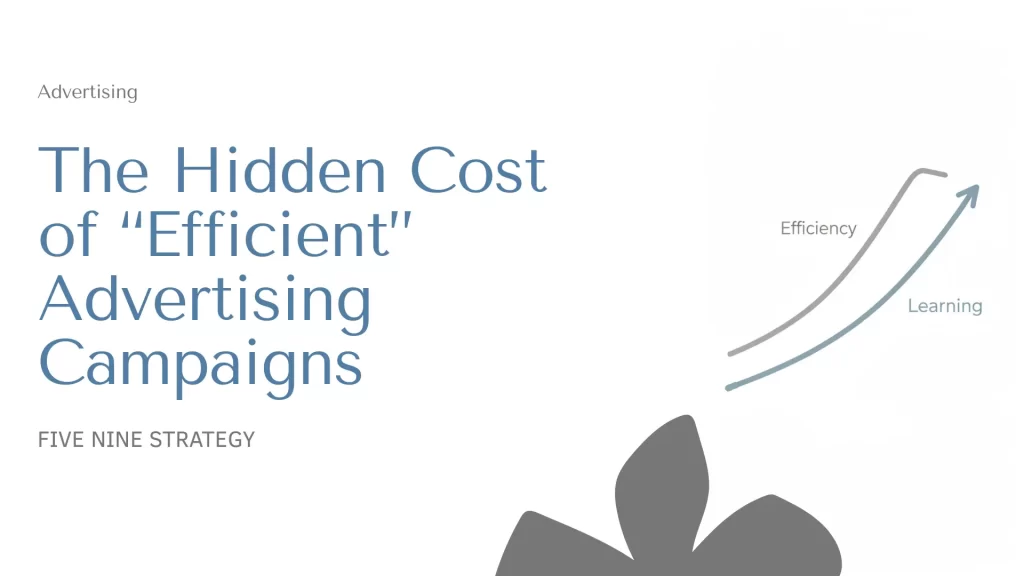
Any message shown repeatedly to a finite audience will eventually produce diminishing marginal returns. That isn’t creative decay – it’s audience saturation.
The “More Creative” Fallacy
When performance drops, the reflex is to add new creative. More variants. New hooks. Fresh angles.
But adding volume doesn’t fix saturation. It simply rotates noise within the same delivery cluster.
In algorithmic systems, the issue isn’t freshness – it’s distribution.
The solution isn’t more creative. It’s diversified delivery.
Creative Roles Inside Algorithmic Systems
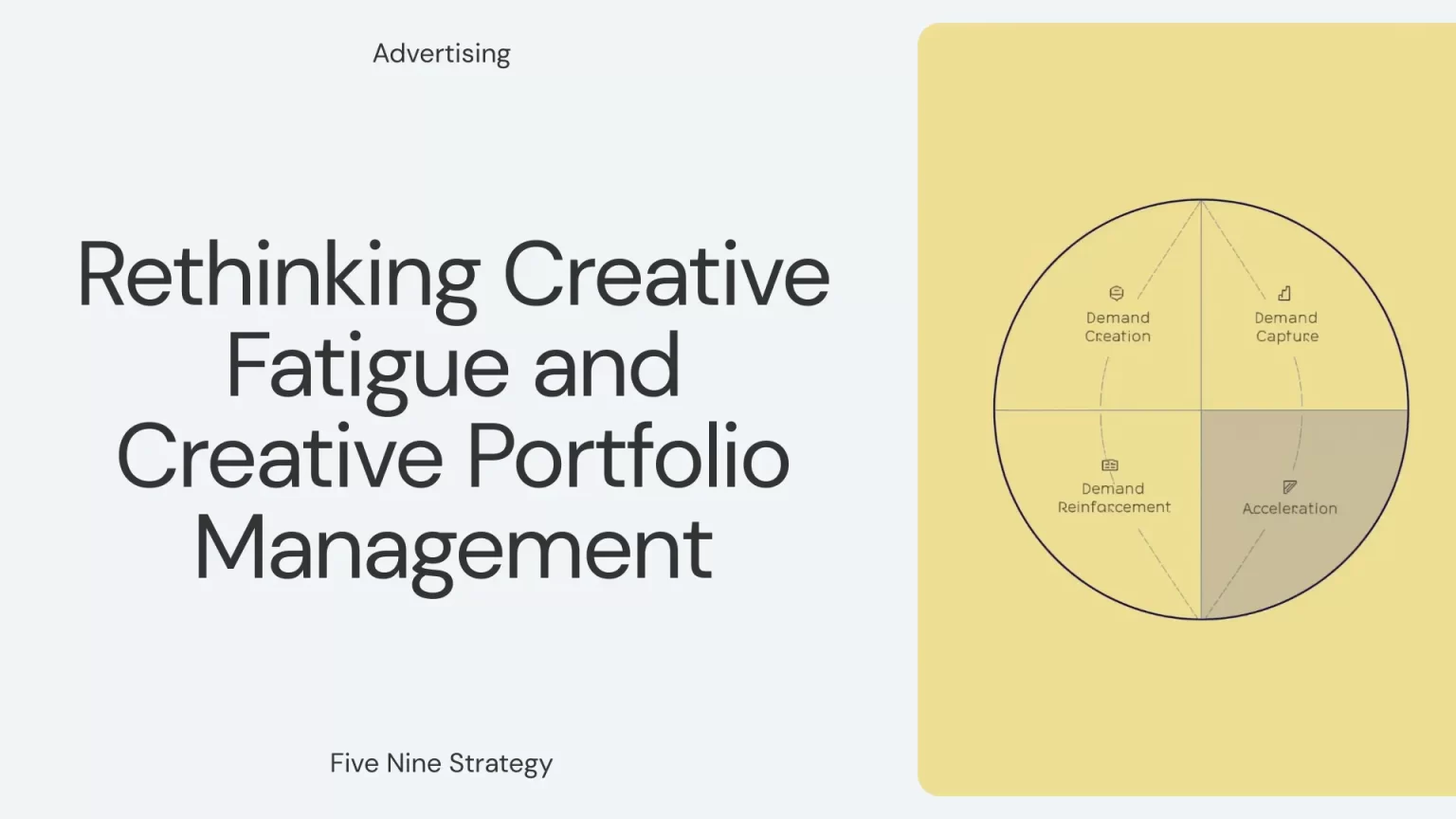
Creative is built to perform a specific function – Demand Creation, Reinforcement, Demand Capture, or Conversion Acceleration.
These four roles form the foundation of a modern performance marketing strategy. For a full breakdown of the framework, see my article on creative testing in 2026.
Where fatigue becomes misunderstood is in how these roles behave inside algorithmic systems.
When Efficiency Becomes Concentration
When performance declines, it’s tempting to assume the message has worn out. More often, what’s happened is over-delivery.
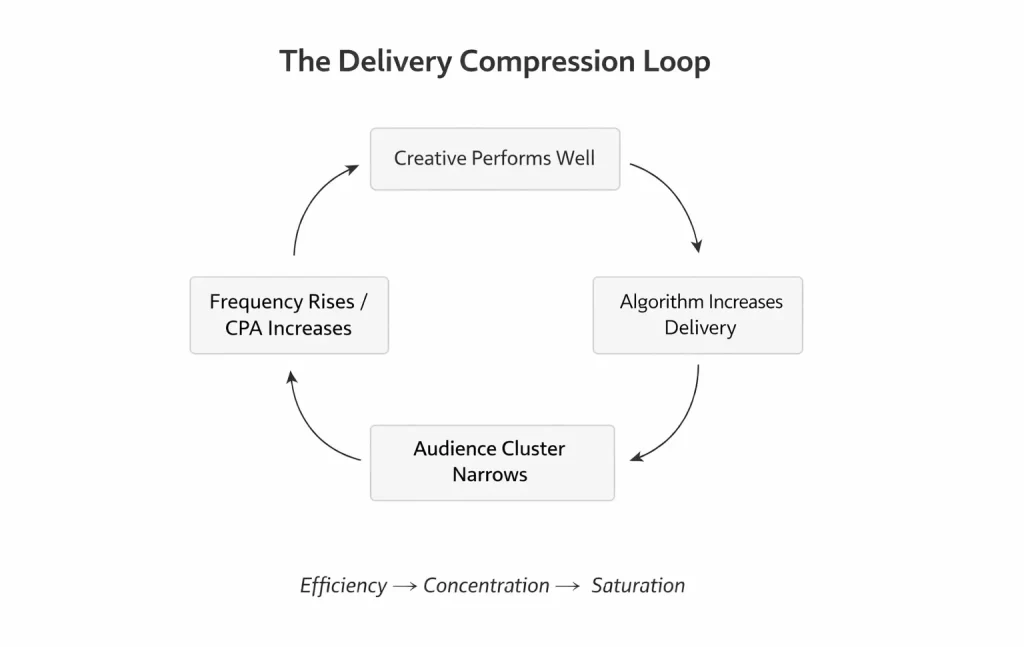
Algorithms optimize through feedback loops. Creative that converts faster receives more impressions. Over time, this trains delivery toward the same audience cluster.
This dynamic is part of the reason optimizations stop producing lift as campaigns scale
The message hasn’t failed. The audience pool has narrowed.
Why Creative Fatigue Is Often Role Imbalance
Because Capture and Acceleration creative sit closest to the conversion event, they typically outperform in short attribution windows.
As campaigns scale, delivery drifts toward these roles. What begins as efficiency slowly becomes concentration.
In many accounts, 60–80% of spend ultimately flows to Capture + Acceleration assets – this is what stalls future growth.
Without sustained upper-funnel exposure, lower-funnel performance degrades. Efficiency compounds until saturation compounds faster.
The solution is not more creative. It’s structural balance. Which brings us to the Creative Portfolio Model.
The Creative Portfolio Framework
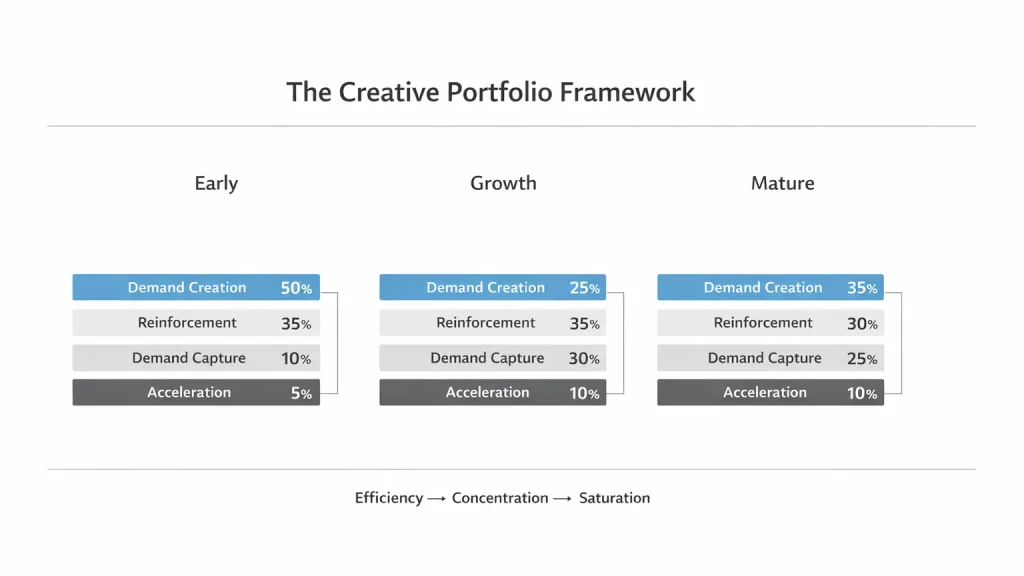
Creative portfolios should evolve as audience maturity changes. As campaigns scale, the balance between expansion and capture must shift accordingly.
For simplicity, most businesses fall into three stages:
- Early Stage (Low Traffic)
- Growth Stage (Scaling)
- Mature Stage (High Saturation)
These categories roughly line up with the three phases of scaling campaigns.
Early Stage
Low awareness and limited traffic mean the audience pool is small. CPA depends heavily on attracting new users into the ecosystem.
Demand capture and acceleration will have limited effects because most users aren’t yet aware of the brand.
A healthy portfolio at this stage often resembles:
- 50% Demand Creation
- 35% Reinforcement
- 10% Capture
- 5% Acceleration
The key focus is expanding the audience pool of intentful users before trying to harvest it.
Growth Stage
As awareness increases and traffic stabilizes, warm audiences expand. Capture becomes more viable, but can’t be the entire focus.
Expansion is still needed to continue to replenish the pool of new users.
A balanced portfolio may look like:
- 25% Demand Creation
- 35% Reinforcement
- 30% Capture
- 10% Acceleration
The key here is prioritizing capture without abandoning the upper funnel.
Mature Stage
In mature accounts, warm traffic dominates delivery. Capture frequently exceeds 50% of spend, driving rising frequency within a fixed audience.
When Capture becomes too dominant, efficiency begins to cannibalize future growth. To counter this, Creation and Reinforcement are necessary to maintain scalability.
A creative portfolio at this level looks like early stage:
- 35% Demand Creation
- 30% Reinforcement
- 25% Capture
- 10% Acceleration
If Capture consistently exceeds 60% of delivery, decay risk increases significantly. At scale, efficiency must be actively counterbalanced by expansion.
For a broader look at how messaging roles shape performance, explore all my Creative & Messaging Strategy focus topic.
Creative Mix Is a Delivery Engine
Creative mix is not defined by how many assets you produce, but rather by where delivery concentrates.
Algorithms will naturally drift toward Capture and Acceleration assets because of their proximity to the conversion event.
Left unchecked, this creates a capture engine.
Smart portfolio management doesn’t prevent this, but aims to counterbalance it with creative production.
Focus on Spend, Not Asset Count
Creating ten Demand Creation ads does not mean you have an expansion layer. The spend against those 10 does.
If Demand Creation actually drives 10% of spend, you don’t have a balanced creative portfolio – you have a capture engine.
Even though Capture and Acceleration assets dominate in conversion campaigns, thoughtful creative testing and new assets can help introduce topics that may outperform the bottom funnel.
Next, take your topic groupings (you should already be grouping creative by topics) and create a system for diagnosing role imbalance.
Diagnosing Delivery Concentration
Before producing new creative, validate whether the issue is messaging or delivery concentration.
Demand creation ads should capture at least 20% of spend, otherwise you’re weighted too heavily to the capture phase.
Start by assigning each creative topic a role and building a simple pivot table:
- Spend
- CPC (lower means more demand creation)
- CPA (lower means more demand capture)
- New vs Returning user %
This reveals whether your portfolio reflects balance, or simply efficiency bias.
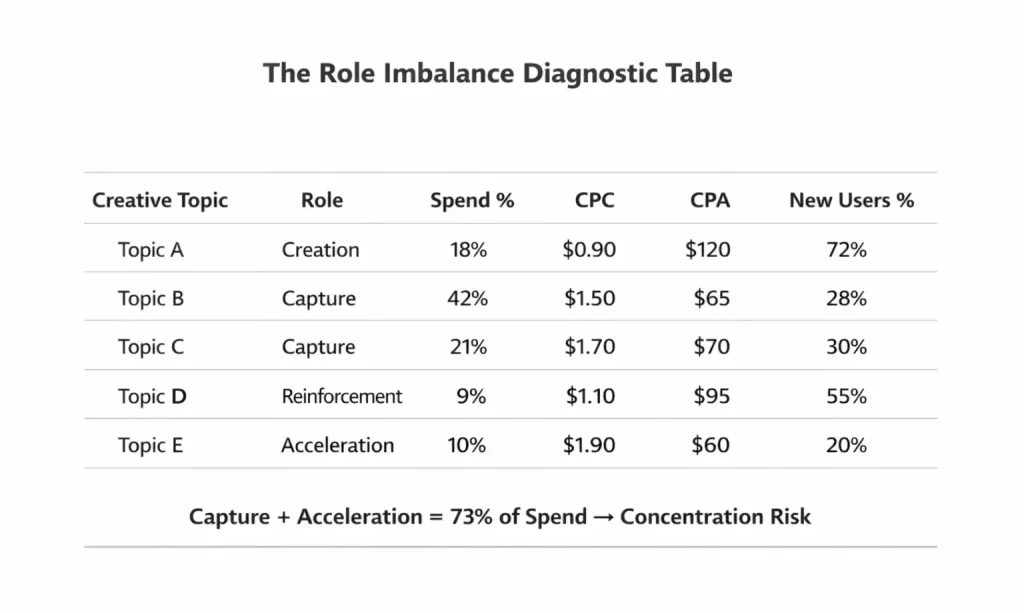
As a general guardrail:
- Demand Creation should account for at least ~20% of delivery in a healthy system.
- If Capture + Acceleration exceed 60% of spend for sustained periods, decay risk increases.
Directional signals to watch:
- Creation CPCs should trend lower than Capture.
- Capture CPAs should trend lower than Creation.
- Spend distribution should not consolidate around 1–2 ads long term.
Diagnostic checks:
- Is 60%+ of spend allocated to Capture + Acceleration?
- Has delivery consolidated to 1–2 ads?
- Is new user % declining month-over-month?
- Is decay uniform across all creative roles?
If the answer is yes to 3+, this is a saturation problem. Introduce new creative into the system in the role that’s being underleveraged.
Restoring Delivery Equilibrium
Sometimes new assets fail to gain delivery because the system has already converged around efficient pathways.
In those cases, structural intervention is required.
Expand the Audience Pool
If the audience cluster is exhausted, widen it.
- Increase budget incrementally.
- Broaden targeting inputs.
- Introduce net-new angles (not minor variations).
- Temporarily reduce Acceleration weight.
The goal is not just to spend more. It’s cluster and topic expansion.
Force Algorithmic Diversification
When convergence is extreme, larger levers are necessary. This applies broadly to why paid media optimizations stop working.
What to do:
- Consolidate fragmented ad sets.
- Adjust optimization events temporarily.
- Remove over-dominant Capture assets.
- Introduce distinctly different messaging themes.
Algorithms optimize toward efficiency. Your role is to prevent efficiency from collapsing exploration.
From Creative Refreshes to System Management
Creative fatigue used to be a copy problem. Which ad version received the most clicks and conversions? Optimize accordingly.
In algorithmic systems, it’s a distribution problem. Which ad topic receives the most spend, and does that create a creative portfolio or just a capture machine?
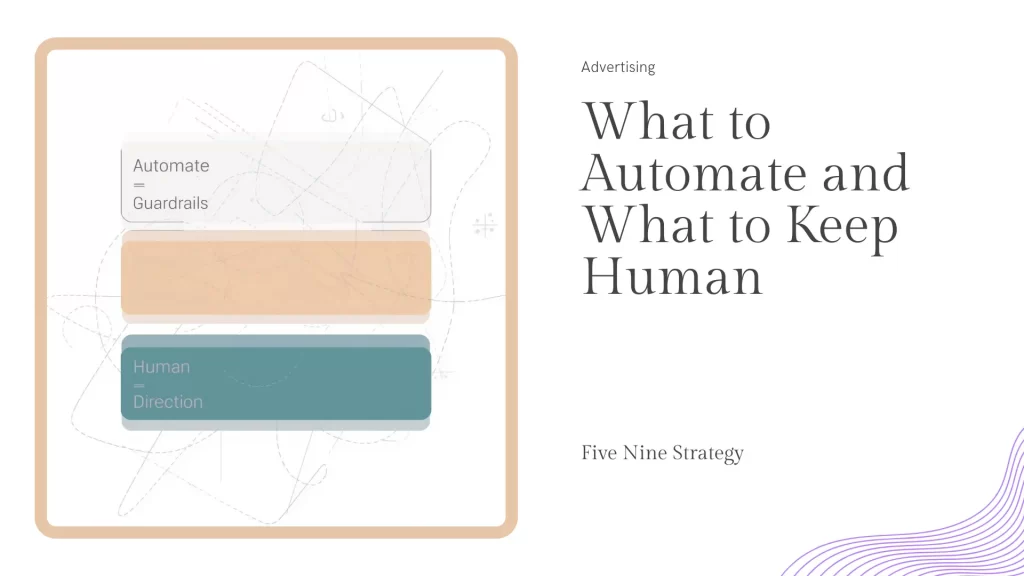
The role of the marketer has shifted. It’s no longer about producing the next winning ad. It’s about maintaining balance inside a system that naturally drifts toward short-term efficiency.
Algorithms exploit what works. Marketers must protect what scales.
When performance drops, don’t ask: “What new ad do we need?”
Ask: “Which role has taken over?”